

The Sticky Science of Autumn Treats: What Really Happens to Teeth
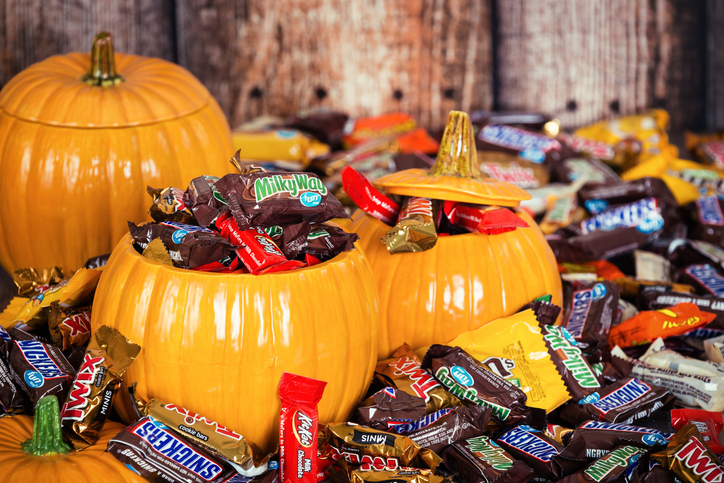
Telling anyone to skip sweets in late October never works. Autumn in Connecticut brings orchard visits, warm cider donuts, and plenty of party bowls, not to mention culminating in Halloween festivities. The standard dental lecture usually suggests swapping treats for carrot sticks. Let’s be honest: nobody wants that.
Instead of avoiding seasonal favorites entirely, it helps to look at the mechanics of what different snacks do once they enter your mouth. Tooth decay rarely comes down to simple sugar volume. The real culprit is texture, stickiness, and how long that food clings to your enamel.
How Oral Bacteria Turn Treats Into Acid
Your mouth hosts trillions of naturally occurring bacteria. When you eat, these microbes feed on carbohydrates and fermentable sugars. Within seconds, they generate a weak acid bath that softens outer enamel.
Saliva normally steps in to wash away residue, neutralize acid, and deposit minerals back into the teeth. Problems start when food debris stays wedged in deep grooves or between tight contacts. If bacteria get an uninterrupted food supply, that acid wash continues uninterrupted.
The Best and Worst Fall Treats for Teeth
Understanding physical food texture helps you spot which autumn foods cause trouble. When weighing the best and worst fall treats for teeth, clearance time matters far more than sweetness alone.
The Clingers: Starch and Sugar Hybrids
Apple cider donuts, soft caramels, and chewy taffy cause serious issues. A warm donut seems harmless because it is soft, but refined starches break down into a dense paste. That paste gets packed into the chewing surfaces of back molars.
Chewy caramel and candied apples pose a double threat. They adhere directly to pits, fissures, and margins around fillings. Saliva cannot easily rinse them away. Every extra minute they stick means prolonged acid exposure right at the gumline.
The Slow Dissolvers: Hard Candies
Lollipops and festive hard candies expose teeth to an extended sugar bath. Sucking on a candy for ten minutes keeps oral pH levels in an acidic danger zone the entire time. Crunching down on them prematurely also risks chipping enamel or cracking a restoration.
The Quick Clearers: Dark Chocolate
Plain chocolate, especially dark varieties, melts quickly at body temperature. Because it liquefies, saliva washes it away within a couple of minutes. It leaves far less sticky residue behind compared to gummies, dried fruit snacks, or baked pastries.
Realistic Habits to Prevent Cavities Around Halloween
You do not need to ban trick-or-treating or skip the local bakery to keep smiles healthy. Small adjustments in timing and habits make a massive difference.
- Pair treats with main meals. Eating a snack right after dinner takes advantage of high saliva flow. Saliva production spikes during substantial meals, helping wash away sticky bits naturally.
- End the all-day graze. Grazing on small bites across several hours resets the acid clock every single time you chew. Eat the treat in one sitting, enjoy it, and move on.
- Swish vigorously with plain water immediately after snacking. A couple of firm swishes dislodge loose debris and helps restore a neutral pH balance before you reach for a toothbrush.
- Wait thirty minutes before brushing. Enamel softens temporarily after acidic or sugary foods. Brushing right away can scrub away microscopic amounts of weakened enamel. Let saliva reharden the surface first.
Keep Family Smiles Bright Through the Holidays
Seasonal treats are a fun part of fall traditions, and protecting your teeth does not require giving them up. Paying attention to food texture and simple rinsing routines keeps enamel resilient all year.
If it has been a while since your family’s last routine checkup, or if you want a gentle exam for your children before the busy holiday calendar begins, the team at Fairfield Dental Arts is always here to help. Reach out to our Fairfield office to reserve your next visit.