



Swimming and Smiling: How Chlorine Can Affect Your Teeth
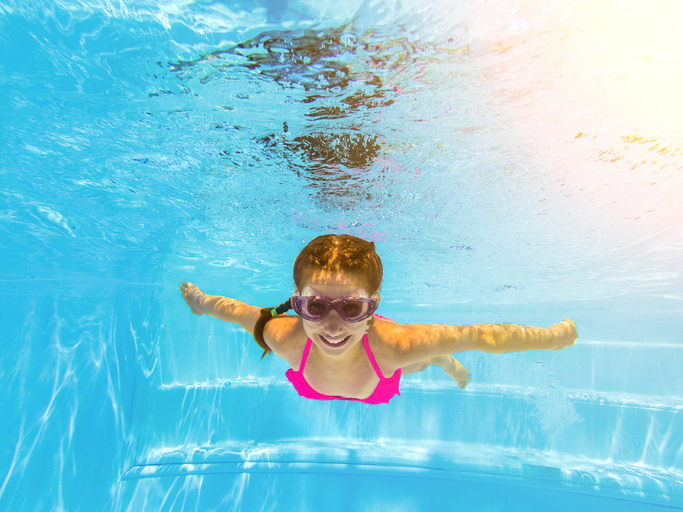
Summer is the perfect time to dive into the pool and enjoy the sunshine. Swimming is great exercise and fun for all ages, but did you know that spending lots of time in the pool could affect your teeth? Most pools are cleaned with chlorine, a chemical that keeps the water safe by killing bacteria. But chlorine can also change the pH level of the water, sometimes making it more acidic. If the water isn’t balanced correctly, that acid can slowly wear down the protective outer layer of your teeth, called enamel.
Here’s what swimmers (and parents of young swimmers) should know about protecting their smiles during pool season.
What Chlorine Can Do to Your Teeth
When pool water is too acidic, it can soften your tooth enamel. Enamel is what protects your teeth from cavities and sensitivity. Over time, swimming in water with too much chlorine may cause teeth to become more sensitive to hot or cold foods and drinks. You might also notice changes in the color of your teeth, such as yellowing or dark spots, which can happen as enamel wears away.
In some cases, chlorine can also react with the proteins in your saliva. This reaction may lead to a buildup of brown or yellow tartar, especially on the front teeth. Dentists call this condition “swimmer’s calculus.” It’s more common in people who spend many hours each week in the pool.
Who’s Most at Risk?
While occasional swimming isn’t likely to cause dental problems, people who are in the water regularly should take extra care. Competitive swimmers, swim team athletes, and kids who take frequent swim lessons often spend several hours in treated water every week. Lifeguards and swim instructors may also be at risk. The more time you spend in chlorinated pools, the more likely you are to notice the effects on your teeth.
Tips to Protect Your Teeth in the Pool
1. Keep Your Mouth Closed
One of the best ways to protect your teeth is to keep your mouth closed while swimming. This limits how much chlorinated water comes into contact with your teeth. After your swim, rinse your mouth with fresh water. This helps wash away any chlorine that may still be on your teeth and gums.
2. Brush and Floss Regularly
Maintaining a strong brushing and flossing routine is also important. Brushing twice a day and flossing once a day can help remove plaque before it turns into tartar. If you or your child swims often, let your dentist know. They can check for early signs of swimmer’s calculus or enamel erosion during regular checkups.
3. Wear a Mouthguard
For competitive swimmers, consider asking your dentist about a custom-made mouthguard. These mouthguards are designed to be comfortable in the water and can offer extra protection for your teeth.
4. Manage the Chlorine Levels in the Pool
If you’re in control of how much chlorine is used in the pool (like if you have your own pool), it’s important to make sure that you don’t use more chlorine than you need, while still using enough to keep the pool water clean. Measuring the ph levels of your pool will help you keep it balanced so it doesn’t become too high or too low. This will prevent the water from becoming acidic.
Keep Your Teeth Safe from Chlorine This Summer
Swimming is a fun and healthy activity, but it’s also important to be aware of how pool water might affect your teeth, especially if you’re in the water a lot. With a few simple habits and regular dental checkups, you can enjoy the pool and keep your smile strong all summer long.If you have questions about swimmer’s calculus or enamel protection, Fairfield Dental Arts is here to help. Contact our office to schedule an appointment or get more personalized tips.